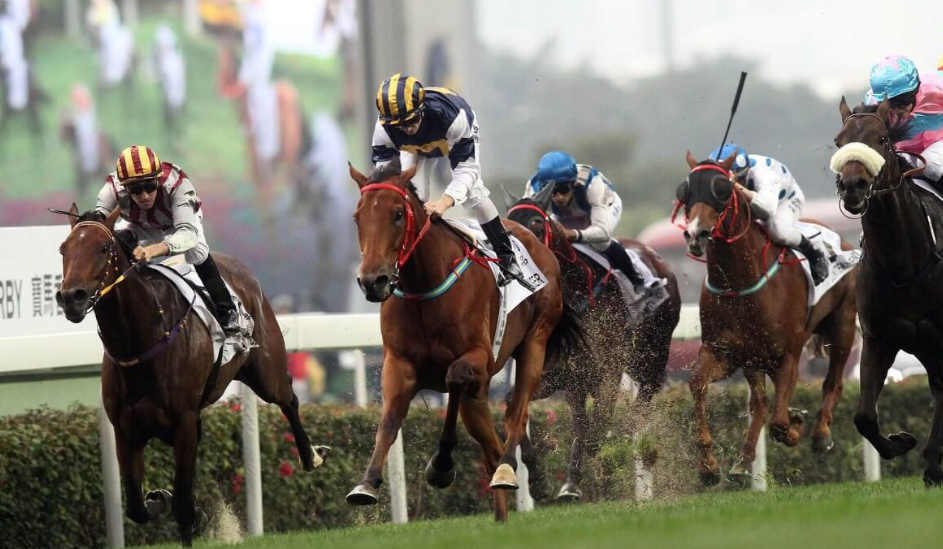
Horses exhibit a remarkable ability to grasp pace without verbal cues. This understanding relies on body language and subtle energy exchanges. Through observation, one can see how horses develop a connection with their handlers, becoming attuned to each other’s movements. This silent communication fosters synchronization in their strides. Yet, the depth of this relationship raises questions about the intricacies of equine communication and the emotional ties that bind them to humans.
The Science of Equine Communication
How do horses convey their needs and emotions to one another and to humans? Through a rich tapestry of vocalizations signals and instinctive behaviors, horses communicate effectively.
Whinnies, nickers, and snorts reveal their feelings, while body postures and movements enhance these messages. This innate ability fosters understanding and connection, allowing horses to navigate their social world and interact with humans in meaningful ways.
Body Language and Non-Verbal Cues
Many subtle cues in a horse’s body language reveal its emotional state and intentions.
Facial expressions, such as relaxed ears or a soft gaze, indicate calmness, while tense features may signal distress.
Tail signals also play a crucial role; a swishing tail can express irritation, while a relaxed tail signifies ease.
Understanding these non-verbal cues fosters a deeper connection and enhances communication between horse and human.
Energy and Emotional Connection
Energy plays a vital role in the emotional connection between horses and humans, influencing their interactions and mutual understanding.
This energy transfer creates emotional resonance, allowing both species to perceive each other’s feelings and intentions instinctively.
Observing how horses respond to subtle shifts in energy reveals a profound bond, fostering trust and harmony that transcends words, inviting freedom in their relationship.
Synchronization in Movement and Rhythm
The bond established through energy and emotional connection lays the groundwork for a deeper understanding of synchronization in movement and rhythm between horses and humans.
This connection fosters pace awareness, allowing both parties to achieve movement harmony. As they move together, an unspoken dialogue unfolds, creating a fluidity that transcends verbal communication, embodying freedom and unity in their shared experience.
Conclusion
In the delicate dance between horse and human, words become superfluous, replaced by a rich tapestry of unspoken understanding. This profound bond allows them to glide in harmony, navigating the subtleties of pace with an intuitive grace. As they synchronize their movements, a silent conversation unfolds, revealing a world where communication transcends language. Ultimately, this unbreakable connection speaks volumes, inviting us to appreciate the elegance of their partnership, where every stride is a testament to their shared journey.