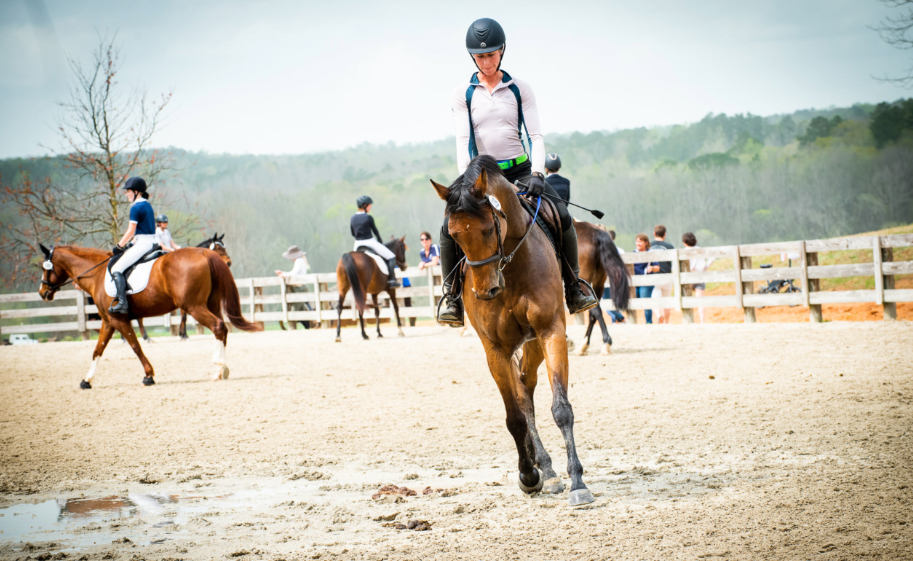
Horses undergo a systematic warm-up process before races to enhance performance and mitigate injury risks. This process begins with a pre-warm-up routine that helps establish focus. Following this, dynamic stretching techniques are employed to increase flexibility and blood flow. Understanding the nuances of these methodologies is crucial for trainers and handlers. However, the significance of a proper cool-down routine after racing also warrants attention, as it plays a critical role in overall equine health.
The Importance of a Proper Warm-Up
A proper warm-up is crucial for optimizing a horse’s performance in races, as it enhances physical readiness and reduces the risk of injury.
The warm-up benefits include increased blood flow to muscles, improved flexibility, and mental focus.
Pre-Warm-Up Routine: Getting in the Mood
Prior to the formal warm-up, establishing a pre-warm-up routine is vital in preparing horses mentally and physically for competition.
This phase emphasizes mental preparation, where horses engage in pre-race rituals that enhance focus and reduce anxiety. Consistent routines help create a sense of security and readiness, allowing horses to channel their energy effectively when transitioning into the more rigorous warm-up activities that follow.
See also: How Horses Understand Pace Without Words
Dynamic Stretching Techniques for Horses
Effective dynamic stretching techniques are essential for enhancing a horse’s performance and preventing injuries during the warm-up phase.
Incorporating dynamic stretches, such as leg swings and walking lunges, promotes flexibility and prepares muscles for exertion. These flexibility exercises increase blood flow and range of motion, allowing the horse to move more freely and efficiently.
Ultimately, this contributes to improved overall racing performance.
The Role of Cool Down After Racing
Cooling down after racing plays a crucial role in a horse’s recovery and overall well-being.
Effective recovery strategies, such as controlled walking and gentle stretching, optimize cool down benefits by facilitating the gradual return of heart rate and muscle temperature to baseline levels.
This process minimizes the risk of injury, reduces muscle soreness, and enhances performance readiness for future competitions, ensuring the horse’s long-term health.
Conclusion
In summary, the warm-up process for horses is not merely beneficial—it is the cornerstone of peak performance. By integrating a structured pre-warm-up routine and dynamic stretching techniques, trainers effectively enhance a horse’s physical readiness while mitigating injury risks. The subsequent cool-down phase further solidifies the importance of this comprehensive approach, ensuring that these magnificent athletes remain in optimal condition. Ultimately, a well-executed warm-up can make the difference between victory and defeat on the racetrack.