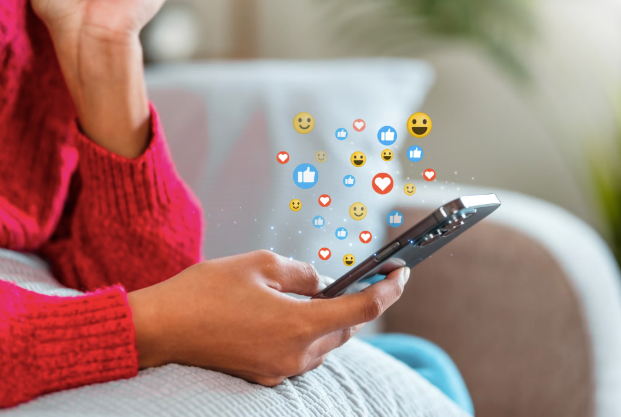
The impact of social media technology is multifaceted, influencing communication, mental health, and information dissemination. It fosters global connectivity, yet also breeds comparison and anxiety among users. While it serves as an essential tool for sharing news, the challenges of information overload and credibility persist. Understanding these dynamics is crucial, as they shape not only personal lives but also professional environments. What are the broader implications of this pervasive influence?
Positive Effects on Communication
While some critics argue that social media can hinder genuine communication, it is undeniable that these platforms have revolutionized the way individuals connect and share information.
They foster global connectivity, allowing people to engage across borders, cultures, and time zones.
Moreover, the provision of instant feedback enhances interactions, empowering users to express themselves freely and participate in vibrant dialogues that were once unimaginable.
The Influence on Mental Health
The profound impact of social media on communication extends beyond connectivity, influencing mental health in complex ways.
Individuals often engage in social comparison, which can exacerbate feelings of inadequacy and fuel anxiety disorders. The constant exposure to curated lives fosters unrealistic expectations, leading to increased stress and diminished self-esteem.
Thus, the interplay between social media usage and mental well-being deserves critical examination and awareness.
See also: The Global Tech Ecosystem
The Role in Information Dissemination
Social media platforms serve as pivotal channels for information dissemination, transforming the landscape of news and knowledge sharing.
They facilitate the rapid spread of viral trends, enabling messages to reach vast audiences almost instantly.
However, this immediacy often leads to information overload, overwhelming users with excessive content.
As a result, discerning credible information becomes increasingly challenging, impacting informed decision-making in society.
Social Media in Professional Settings
In professional settings, social media platforms have evolved into powerful tools for networking, branding, and communication. They create expansive networking opportunities, allowing professionals to connect across industries and geographical boundaries.
Additionally, companies utilize these platforms to enhance brand visibility, engaging with audiences in real-time. As organizations embrace this digital landscape, strategic social media use becomes essential for fostering relationships and driving growth.
Conclusion
In conclusion, while social media technology undeniably enhances global communication and fosters connectivity, its dual nature poses significant challenges. The theory of social comparison suggests that the curated lives displayed online can lead to detrimental mental health effects, as users grapple with unrealistic standards. Furthermore, the rapid dissemination of information can obscure the line between credible sources and misinformation. Thus, navigating this complex landscape requires a critical approach to leverage the benefits while mitigating the associated risks.