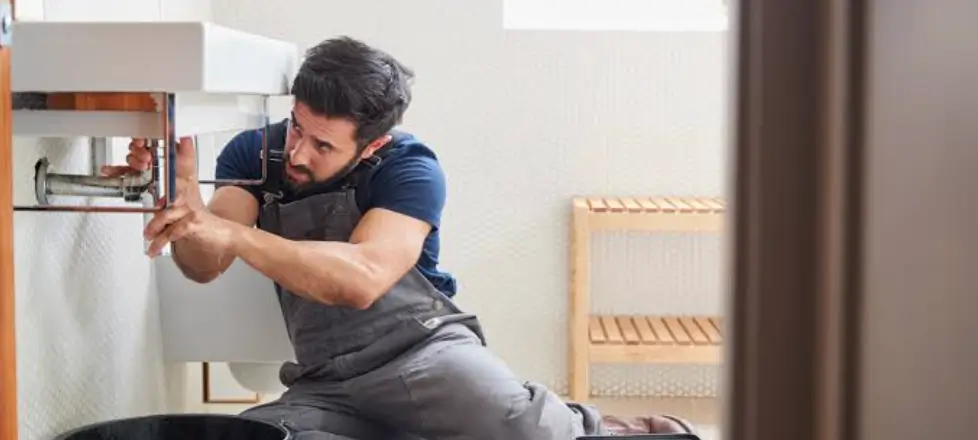
For homeowners in (not provided), the plumbing system is a crucial component of daily life, ensuring everything from clean water access to efficient waste removal. When issues arise, knowing how to address them efficiently can save time and money. This guide aims to equip homeowners with practical knowledge about plumbing services, common issues, choosing the right professional, and tips for preventative maintenance. By understanding these elements, you can maintain a functional and efficient home environment.
Essential Plumbing Services Every Homeowner Should Know
Understanding the range of services a Plumber provides can help homeowners address potential issues before they escalate. Key services include leak detection, pipe repair, and water heater maintenance. For instance, many homeowners are unaware of the importance of regular Indoor Air Quality Testing, which can be affected by faulty plumbing systems. A professional Plumber can ensure that your water systems do not contribute to indoor air problems, maintaining a healthy home environment.
Additionally, Plumbers play a crucial role in Smart Home Integration, making sure that water systems are compatible with new technology. This includes installing water-saving devices that can significantly reduce household water consumption, contributing to sustainability efforts. Homeowners interested in sustainable practices, such as those holding a Green Cleaning Certification, will find this service particularly beneficial.
For those considering renovations, consulting with a Plumber early in the process can streamline operations and ensure compliance with local building regulations. Collaborating with a Home Staging Specialist during renovations can also enhance the appeal and functionality of your plumbing fixtures.
Common Plumbing Issues and How to Tackle Them
Plumbing issues can range from minor annoyances to major disruptions. Common problems include dripping faucets, clogged drains, and running toilets. Each of these problems can lead to significant water wastage if not addressed promptly. For example, a dripping faucet can waste up to 3,000 gallons of water per year (Source: U.S. Environmental Protection Agency, 2022).
Homeowners can tackle some minor issues themselves. For instance, using a plunger can often clear a clogged drain. However, for more complex problems, such as persistent leaks or water pressure issues, calling a professional is advisable. A qualified Plumber will have the tools and expertise to diagnose and repair the issue efficiently. For families with young children, conducting a Childproofing Assessment can prevent accidents involving plumbing fixtures.
In some cases, plumbing issues might signal underlying problems, such as a need for a Radon Mitigation System if water-related radon levels are high. Regular maintenance and inspections can prevent such issues from escalating.
Choosing the Right Plumber for Your Home Repairs
Selecting the right Plumber is crucial for effective and lasting repairs. Homeowners should seek professionals who have a proven track record and are familiar with local building codes. A reliable plumbing service will not only solve immediate issues but also advise on preventative measures. When choosing a Plumber, consider their reputation, customer reviews, and whether they offer warranties on their work.
Additionally, consider if the Plumber is knowledgeable about Universal Design Assessment. This is particularly important for homes with elderly residents or those with mobility challenges, as it ensures that plumbing fixtures are accessible to all family members. A Family Dynamics Coordinator might also provide insights into how plumbing needs can be tailored to suit diverse family structures.
Finally, a thorough vetting process should include checking for certifications and affiliations, which can often be indicators of expertise and professionalism. The Energy Star Rating of appliances installed or recommended by a Plumber is also an important factor, as it reflects efficiency and sustainability.
Preventative Plumbing Maintenance for Long-term Savings
Regular preventative maintenance is key to extending the lifespan of your plumbing system and avoiding costly repairs. Homeowners should schedule routine inspections with a Plumber to identify potential issues before they become serious. A periodic Appliance Energy Audit can help ensure that all plumbing-related appliances are operating efficiently, reducing energy bills and environmental impact.
Simple maintenance practices, such as flushing water heaters and cleaning faucet aerators, can prevent sediment build-up and improve water flow. Sustainable Landscaping Practices can also contribute to the overall health of your plumbing system by reducing excess water runoff and erosion around your home.
Implementing a Household Hazardous Waste Management plan can prevent harmful substances from entering your plumbing system, protecting both your pipes and the environment. This proactive approach not only saves money but also supports a healthier home environment.
Conclusion
Understanding the essential aspects of plumbing can significantly impact the comfort and functionality of your home. By familiarizing yourself with common issues, selecting the right professionals, and maintaining your system regularly, you can ensure a reliable and efficient plumbing setup. For homeowners in (not provided), investing time and resources into plumbing can lead to long-term savings and a healthier, more sustainable home environment.